Type 1 Diabetes Awareness: Recognising the Signs and Supporting Children and Families
Type 1 diabetes is a lifelong condition that can affect children, teenagers, and adults. It occurs when the body’s immune system mistakenly attacks the insulin-producing cells in the pancreas, leaving the body with little or no insulin. Although Type 1 diabetes cannot currently be prevented, early diagnosis and appropriate treatment can help people live healthy, active lives.
Raising awareness is essential. When parents, teachers, friends, and communities understand the warning signs, they can help children receive timely medical attention and the support they need.
What Is Type 1 Diabetes?
Type 1 diabetes is an autoimmune condition. Insulin is a hormone that helps glucose (sugar) move from the bloodstream into the body’s cells for energy. When the body cannot produce enough insulin, glucose builds up in the blood, potentially causing serious complications.
Unlike Type 2 diabetes, Type 1 diabetes is not caused by lifestyle choices, eating too much sugar, or a lack of physical activity. It can develop at any age, and its exact cause is not fully understood.
People living with Type 1 diabetes need insulin every day to manage their blood glucose levels and stay alive.
Recognising the Warning Signs
The symptoms of Type 1 diabetes can develop quickly, sometimes over days or weeks. Recognising them early can be lifesaving.
Common warning signs include:
Frequent urination: Needing to use the toilet more often or a child beginning to wet the bed again.
Increased thirst: Drinking much more water than usual.
Extreme hunger: Feeling hungry even after eating.
Unexplained weight loss: Losing weight despite eating normally or more than usual.
Fatigue: Feeling unusually tired, weak, or lacking energy.
Mood changes: Becoming irritable or experiencing changes in behaviour.
Blurred vision: Having difficulty seeing clearly.
If a child or adult develops these symptoms, seek urgent medical assessment. Do not wait for symptoms to worsen.
When Is It a Medical Emergency?
Undiagnosed or untreated Type 1 diabetes can lead to diabetic ketoacidosis (DKA), a serious and potentially life-threatening complication.
Warning signs include vomiting, abdominal pain, rapid or deep breathing, fruity-smelling breath, severe dehydration, drowsiness, or confusion.
Seek emergency medical care immediately if these symptoms occur. DKA requires urgent treatment.
Watch Our Type 1 Diabetes Awareness Video
Understanding Type 1 diabetes starts with awareness.
Watch our awareness video to learn more about Type 1 diabetes and why recognising the condition and supporting affected children and their families is so important.
Please watch the video to the end and share it with your family, friends, parents, teachers, and anyone who may benefit from learning about Type 1 diabetes.
Your share could help someone recognise the warning signs and seek medical attention in time.
Life with Type 1 Diabetes
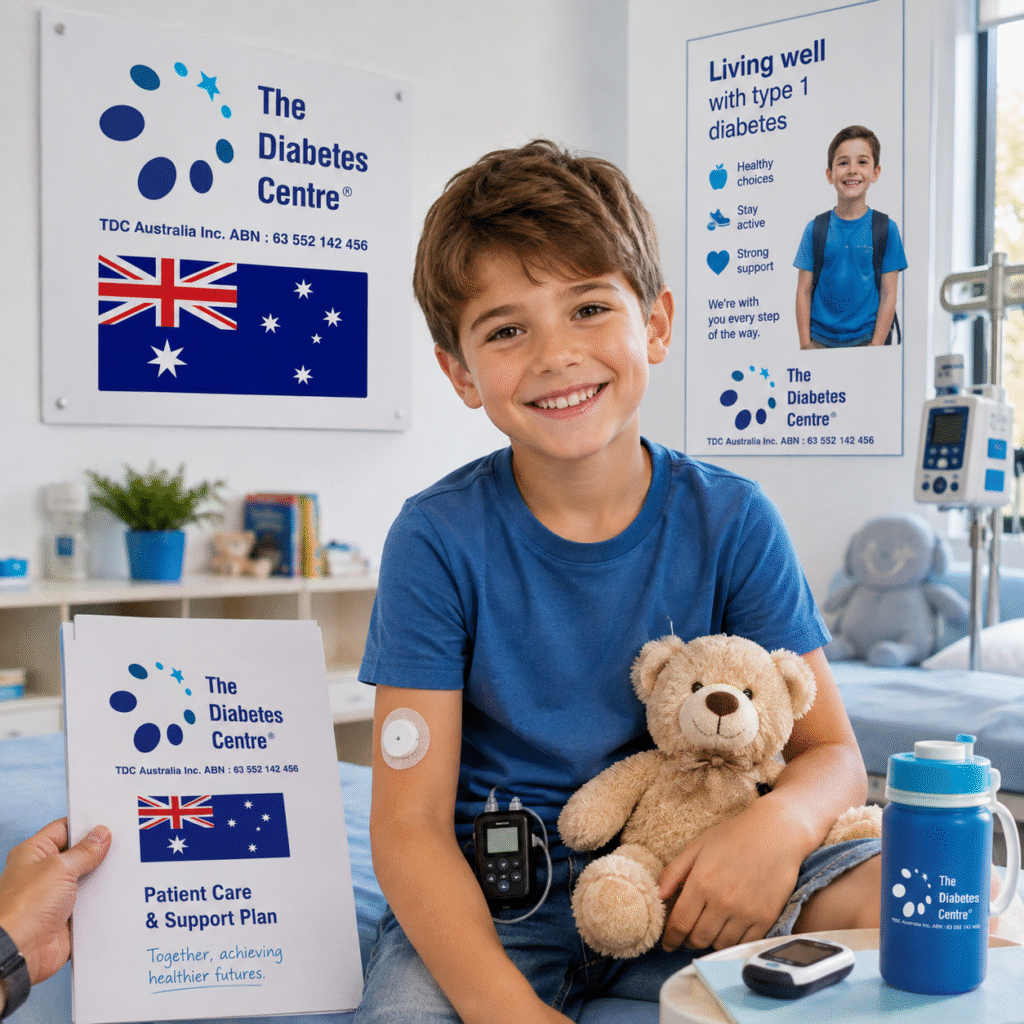
A Type 1 diabetes diagnosis can be overwhelming for children and their families. Parents and caregivers may need to learn how to monitor blood glucose, administer insulin, plan meals, manage physical activity, and recognise signs of low or high blood glucose.
With appropriate treatment, education, and ongoing support, children with Type 1 diabetes can attend school, play sports, participate in social activities, and pursue their dreams.
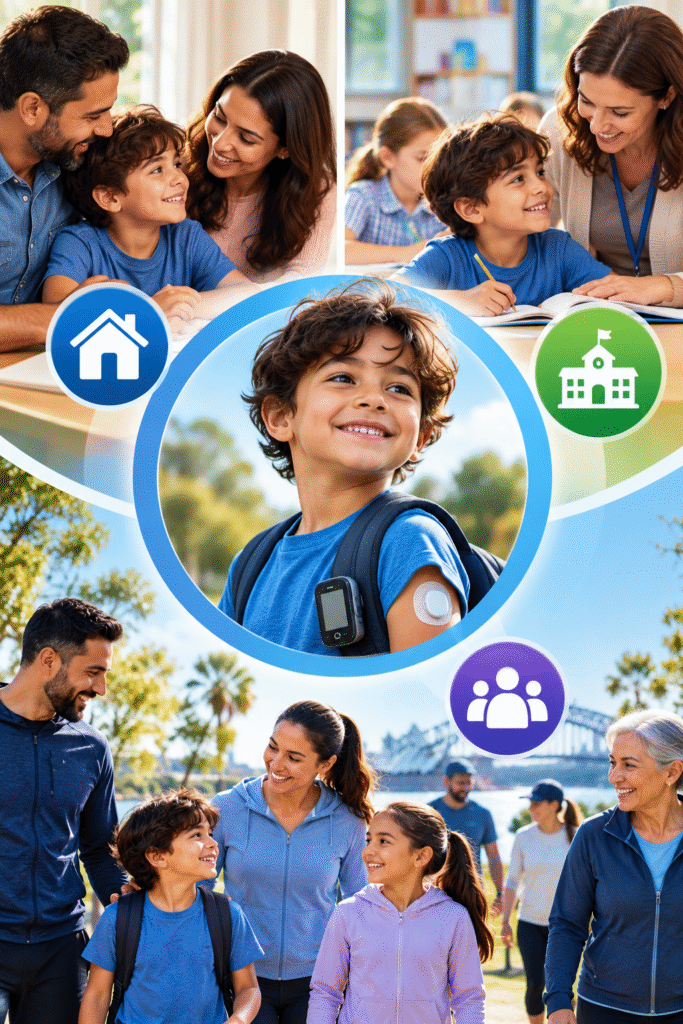
Managing the condition is a team effort involving families, healthcare professionals, teachers, and the wider community.
How Can Families, Schools, and Communities Help?
Awareness and understanding can make a meaningful difference in the lives of children living with Type 1 diabetes.
Families can learn the warning signs, follow the child’s treatment plan, and provide emotional support.
Schools and teachers can learn how to support diabetes management and respond appropriately in an emergency.
Friends and communities can share accurate information, challenge misconceptions, and help create an inclusive environment.
Everyone can help by sharing reliable educational resources and encouraging people with symptoms to seek medical attention.
Type 1 diabetes should never be a reason to limit a child’s ambitions, friendships, or opportunitie
Why Type 1 Diabetes Awareness Matters
Greater awareness can help reduce delays in diagnosis, prevent avoidable emergencies, and connect families with reliable information and support.
It is important to understand that Type 1 and Type 2 diabetes have different causes and management needs. Both deserve accurate information, appropriate care, and public awareness.
A conversation, an educational post, or sharing the warning signs with another parent could help someone recognise a potentially serious condition.
How You Can Make a Difference
You do not need to be a healthcare professional to help raise awareness. You can make a difference by:
Learning and sharing the warning signs of Type 1 diabetes.
Encouraging parents and caregivers to seek medical attention if a child develops symptoms.
Supporting children and families affected by Type 1 diabetes.
Sharing our awareness video and educational resources with your community.
Helping create a more informed, understanding, and supportive environment.
The Facts Matter
Did you know that 142,873 Australians were registered with Type 1 diabetes as of June 2025?
In 2021, around 13,200 children and young people aged 0–19 were living with Type 1 diabetes in Australia.
Type 1 diabetes can affect children and adults, and recognising the warning signs early can save lives.
🔹 Know the symptoms. 🔹 Understand the condition. 🔹 Support children and families. 🔹 Share awareness to help save lives.
The Diabetes Centre (TDC) Australia: Raising Diabetes Awareness
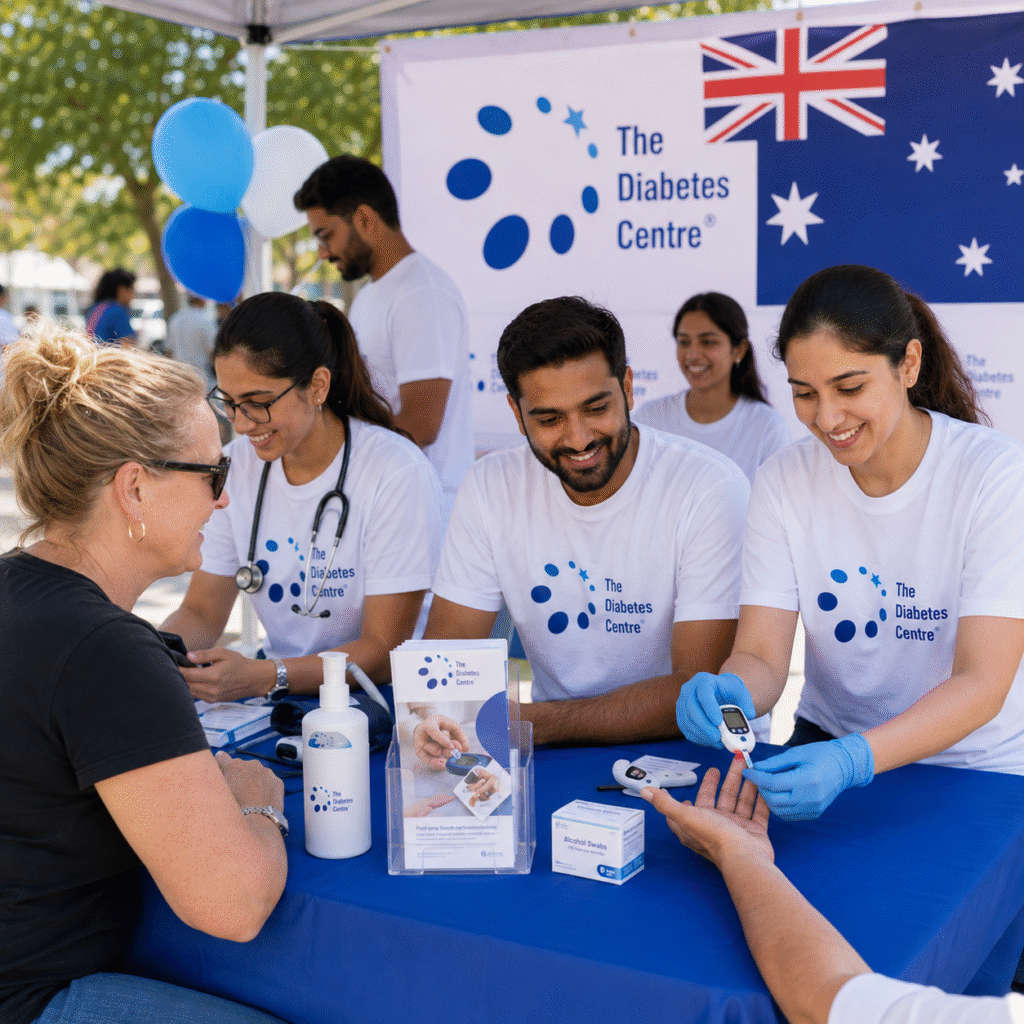
The Diabetes Centre (TDC) Australia works to raise diabetes awareness across Australia through community engagement, educational initiatives, and awareness campaigns.
By encouraging open conversations and sharing reliable information, we aim to help people better understand diabetes and recognise the importance of early action.
Every conversation matters. Every shared resource can help spread awareness. Every act of support can contribute to a stronger, more informed community.
Take Action Today
Know the signs. Act early. Share awareness.
If you know a parent, caregiver, teacher, or family with a child living with Type 1 diabetes, share this article and our awareness video with them.
Together, we can help build a community where children living with Type 1 diabetes are understood, supported, and given every opportunity to thrive.
Disclaimer: This article is for general educational purposes only and is not a substitute for professional medical advice, diagnosis, or treatment. Seek urgent medical attention if Type 1 diabetes is suspected or emergency symptoms develop.











Leave a Reply